

In the ever-evolving landscape of digital marketing, social media has established itself as a formidable tool for businesses and individuals looking to enhance their online presence. However, many are left scratching their heads as they observe that their social media links do not seem to drive significant traffic to their websites. This phenomenon raises critical questions about the effectiveness of social media as a traffic source. In this post, we will explore the reasons behind this struggle, delve into the impact of link suppression, the rise of dark social, and the unique challenges posed by various platforms. We will also discuss how Sociobo can help you leverage social media to build your brand identity and drive genuine engagement.
The Reality of Social Media Traffic
Recent studies reveal a disheartening truth: social media typically drives only 6-8% of website traffic for most businesses. This statistic is alarming for those who invest time and resources into crafting compelling social media content, only to see minimal returns in the form of website visitors. The question remains: why is this happening?

Link Suppression: A Major Culprit
One of the most significant factors contributing to the underperformance of social media links is the practice of link suppression adopted by various social media platforms. Link suppression refers to the strategies employed by platforms to reduce the visibility and clickability of external links in posts. This approach aims to keep users on their platforms longer, which, in turn, can lead to increased ad revenue. However, it comes at a cost to businesses trying to drive traffic to their websites.
Reduced Visibility and Engagement
When posts containing external links are shared, they often receive less visibility in users’ feeds. This reduced reach translates into lower engagement rates, as fewer followers see the posts in the first place. Consequently, even if a post is seen, users may be less inclined to click through due to the platform’s preference for native content.
For example, Facebook has frequently updated its algorithms to prioritize content that keeps users engaged on the platform rather than directing them to external sites. This shift has led to a significant decline in organic reach for posts that include links, making it increasingly challenging for businesses to drive traffic.
Altered Content Strategies
In light of these challenges, many businesses and news outlets have been forced to adapt their social media strategies. Instead of focusing on driving traffic to their websites, they are now concentrating on creating platform-native content that performs well within the confines of each social network. This shift can lead to a decline in website traffic, as the emphasis moves away from external links.
The Rise of Dark Social
Another critical factor complicating the landscape of social media traffic is the emergence of “dark social.” Coined by Alexis C. Madrigal, dark social refers to web traffic that originates from private sharing activities but cannot be accurately tracked to its source. This phenomenon has become increasingly significant in digital marketing, presenting both challenges and opportunities for businesses.
Understanding Dark Social
Dark social traffic typically comes from sources such as messaging apps (e.g., WhatsApp, Facebook Messenger), email, SMS, and private browsing sessions. Most analytics tools mistakenly attribute this traffic as “direct,” creating a significant blind spot in understanding content distribution and engagement. This misattribution can lead to underestimating the impact of social sharing and overestimating direct traffic, potentially skewing marketing strategies and resource allocation.
For instance, a study found that significant percentages of web traffic are falsely attributed as “direct” due to dark social sharing. This misclassification can have far-reaching implications for businesses, including inaccurate ROI calculations for marketing campaigns and undervaluation of social media’s impact on traffic and conversions.
Platform-Specific Traffic Challenges
Each social media platform presents unique challenges for marketers attempting to drive traffic to their websites. Understanding these challenges is crucial for developing effective strategies.

Facebook’s algorithm frequently prioritizes content that keeps users on the platform, reducing the visibility of posts with external links. As a result, businesses may find their posts with links receiving less engagement and, consequently, fewer clicks.
Instagram poses its own set of challenges, primarily due to limited link placement options. Most accounts are restricted to a single link in their bio, necessitating creative workarounds to drive traffic, such as “link in bio” calls to action. Additionally, Instagram Stories offer a fleeting opportunity for engagement, making it essential for brands to create compelling content that encourages users to swipe up or visit their bio link.
Twitter’s character limit can make it challenging to provide adequate context for links. With a high volume of tweets, links can easily get lost in users’ feeds, further complicating efforts to drive traffic.
LinkedIn’s professional focus may limit engagement with certain types of content. The platform’s algorithm tends to favor native content over external links, making it essential for brands to create engaging posts that encourage interaction.
TikTok and Pinterest
TikTok’s primary focus on short-form video content makes incorporating links challenging, while Pinterest’s visual nature can hinder the promotion of text-heavy content. Users often save pins for later, delaying potential traffic.
Strategies to Overcome Traffic Challenges
Given the myriad challenges associated with driving traffic from social media, marketers must adapt their strategies to overcome these obstacles. Here are some effective approaches:
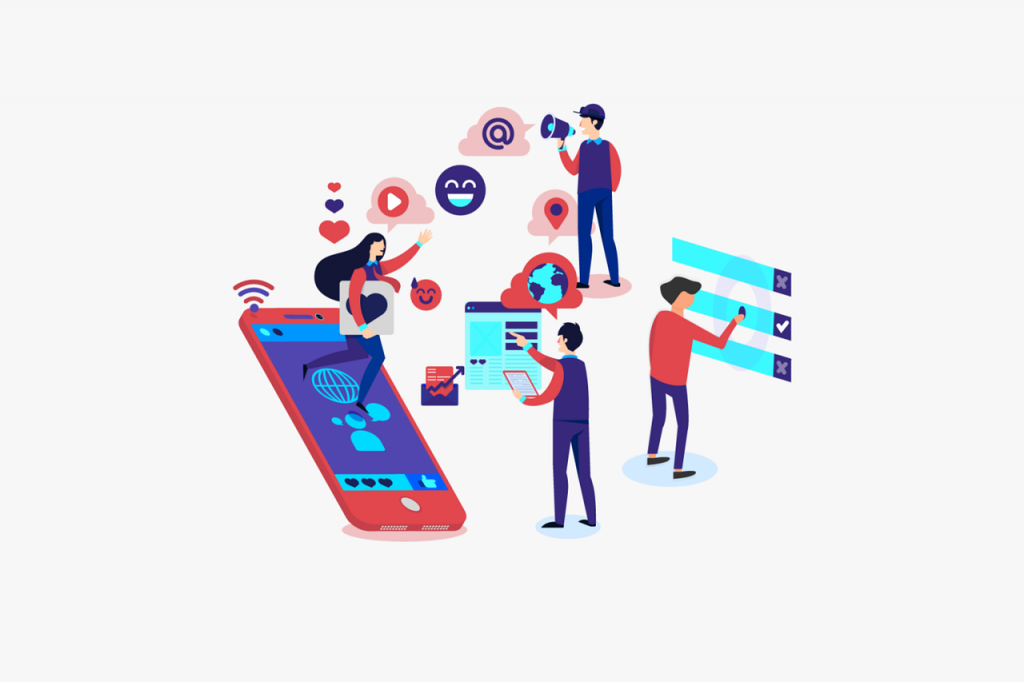
- Create High-Quality, Engaging Content: Regardless of platform limitations, high-quality content is more likely to attract clicks and drive traffic. Invest time in crafting compelling visuals, informative posts, and engaging narratives that resonate with your audience.
- Leverage Platform-Native Features: Each social media platform has unique features that can enhance engagement. For example, utilize Instagram Stories to create polls, quizzes, and behind-the-scenes content that encourages interaction and drives traffic.
- Implement Creative Calls-to-Action: Encourage users to visit your website through creative calls-to-action. Use phrases like “Learn more,” “Discover the full story,” or “Check out our latest offerings” to entice users to click through.
- Utilize Paid Promotion: Consider utilizing paid advertising options on social platforms to overcome organic reach limitations. Target specific audiences to maximize the effectiveness of your campaigns.
- Adopt a Cross-Platform Strategy: Develop a cohesive strategy that spans multiple platforms. This approach can help mitigate the impact of individual platform challenges and ensure a consistent brand message.
- Engage with Your Audience: Prioritize audience engagement and community building. By fostering a loyal following, you increase the likelihood that users will click through to your external content.
The Role of Sociobo in Driving Traffic
While the challenges of driving traffic from social media can be daunting, services like Sociobo can help you navigate this complex landscape. Sociobo employs a technique known as “social proof aggregation,” which systematically enhances your brand’s visibility, authority, and influence on social media platforms.

Understanding Social Proof
The concept of social proof, as introduced by Dr. Robert Cialdini in his book “Influence,” refers to the psychological phenomenon where people conform to the actions and beliefs of others, especially in uncertain situations. In the context of social media, social proof manifests through metrics like the number of followers, likes, comments, and shares. High engagement numbers suggest credibility and popularity, which can attract more genuine followers.
The Power of Aggregated Followers
Sociobo’s core service revolves around providing aggregated followers and engagement. Unlike fake followers, which are often low-quality and inactive, aggregated followers consist of high-quality bot accounts created using official apps. These accounts are active and engaged with your content, helping to boost your engagement rates, improve profile discovery, and positively impact your trust score in social media algorithms.
By enhancing your social media metrics, Sociobo positions your profile as more credible and influential, making it more attractive to organic followers. This increased visibility can lead to more traffic to your website, as users are more likely to engage with profiles that appear popular and trustworthy.
In conclusion, the struggle to drive traffic from social media links is a multifaceted issue influenced by factors such as link suppression, dark social, and platform-specific challenges. However, by understanding these obstacles and implementing effective strategies, businesses can enhance their social media efforts and improve traffic generation.
Sociobo stands out as a valuable ally in this endeavor, providing tools and services that enhance your social media presence and leverage the power of social proof. By utilizing Sociobo’s offerings, you can build your brand identity, attract genuine followers, and ultimately drive more traffic to your website.
If you’re ready to take your social media strategy to the next level and see real results, consider exploring Sociobo’s services. Visit Sociobo.com today to learn more about how we can help you leverage social media to achieve your goals. Your journey to greater visibility and engagement starts here!





No comment yet, add your voice below!