

In today’s digital landscape, social media advertising has become an essential tool for businesses aiming to connect with their target audiences. However, many brands find their social media ads failing to generate the expected engagement and conversions. If you’ve been pouring resources into your social media advertising campaigns only to see lackluster results, you’re not alone. Understanding why your ads aren’t converting is the first step toward turning the tide.
In this post, we will explore the common pitfalls that lead to poor ad performance, including targeting mistakes, weak calls-to-action, and overlooked platform-specific strategies. We’ll also discuss how leveraging social proof can enhance your social media presence and improve your ad performance, with insights from Sociobo, a program designed to help individuals and businesses build their brand identity through effective social media strategies.
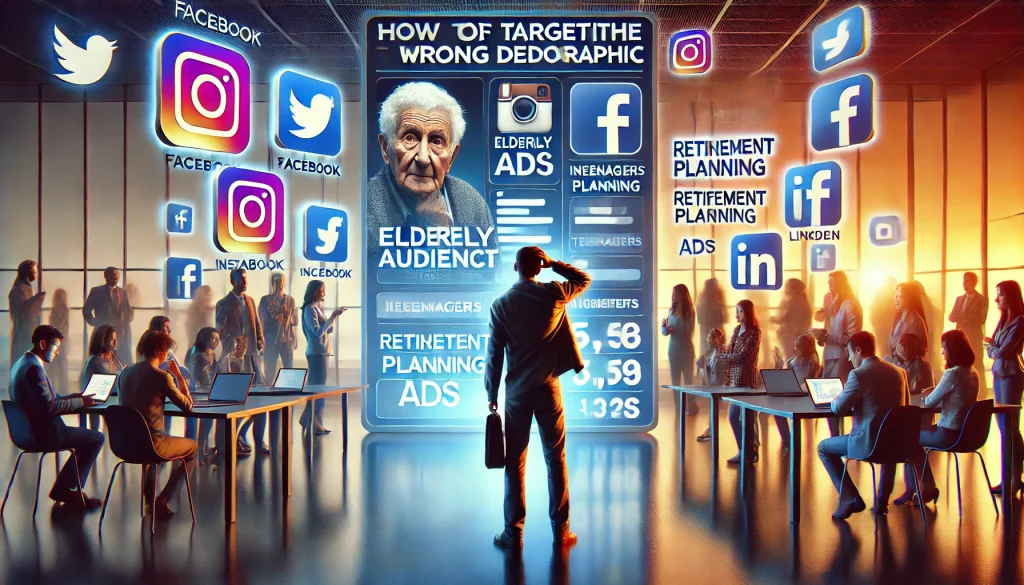
Targeting the Wrong Demographic
One of the most significant reasons social media ads fail to convert is poor audience targeting. Many advertisers cast too wide a net, attempting to reach a diverse audience they believe could benefit from their products or services. This approach often leads to diluted messaging and lower engagement rates.
The Importance of Audience Segmentation
To avoid this pitfall, it’s crucial to segment your audience effectively. Understanding the nuances of your audience’s demographics, interests, and pain points can dramatically improve your ad performance. For instance, a company providing educational resources for parents of children with learning differences might find that the needs of parents with middle schoolers differ vastly from those with high schoolers. Tailoring your ads to speak directly to these segments can yield better results.
Using tools like Facebook’s Audience Segmentation can help you create saved audiences based on detailed attributes. By targeting one specific audience segment at a time and comparing results, you can identify which demographics generate the best outcomes for your campaigns.
Signs of Misaligned Targeting
If you suspect you might be targeting the wrong audience, look for signs such as high bounce rates from ad traffic, increased unsubscribe rates from email lists, or prolonged sales cycles. These indicators can signal that your messaging is not resonating with the people you’re trying to reach.
By refining your targeting strategy, you can significantly improve the effectiveness of your social media ads and increase conversion rates. Consider defining your ideal customer persona with specific demographic, psychographic, and behavioral characteristics. This will help you create more relevant and engaging content that speaks directly to your audience.
Weak or Misleading CTAs
Another common mistake in social media advertising is the use of weak or misleading calls-to-action (CTAs). CTAs are critical components that guide users toward desired actions, and poorly crafted CTAs can lead to decreased engagement and conversions.

Crafting Compelling CTAs
To improve your CTAs, focus on making them specific and action-oriented. Instead of using bland phrases like “Buy Now” or “Learn More,” opt for descriptive language that clearly communicates the value proposition. For example, “Get Your Free E-book” is more compelling than “Download Now.”
Creating a sense of urgency can also encourage immediate action. Incorporating words like “now,” “today,” or “limited offer” can increase conversion rates significantly. Additionally, CTAs written in the first person can have a 90% better conversion rate than those in the second person. For instance, “Reserve my table” is more effective than “Reserve your table.”
Alignment with Customer Journey
It’s also essential to align your CTAs with the customer journey. Early-stage prospects might respond better to “Learn More,” while those closer to conversion may be more receptive to “Buy Now.” Regularly A/B testing your CTAs can help you determine what resonates best with your audience.
Moreover, ensure that your CTAs accurately represent what users will find when they click through. Misleading CTAs can lead to user frustration and decreased trust in your brand.
Overlooked Platform-Specific Strategies
When it comes to social media advertising, one of the most overlooked aspects is the implementation of platform-specific strategies. Each social media platform has its unique features, audience demographics, and user behaviors, requiring tailored approaches for maximum effectiveness.

Tailoring Your Approach
For example, Facebook offers powerful targeted advertising options and audience segmentation tools that many advertisers underutilize. Engaging with Facebook Groups can be an excellent way to build community and connect with a niche audience. Creating and actively participating in relevant groups can significantly boost organic reach and foster meaningful connections with potential customers.
Instagram, with its visual nature, demands high-quality imagery and compelling storytelling. Many advertisers fail to fully exploit Instagram Stories and IGTV, which offer immersive ways to showcase products or share behind-the-scenes content. User-generated content (UGC) is another underutilized strategy on Instagram that can enhance brand authenticity and engagement.
On Twitter, the fast-paced environment requires concise, engaging content. Participating in trending conversations and using relevant hashtags can dramatically increase visibility and brand relevance. Meanwhile, LinkedIn offers unique opportunities for thought leadership and networking that many advertisers neglect.
Consistency is Key
Across all platforms, consistency is crucial. Developing a content calendar and maintaining a regular posting schedule not only keeps the audience engaged but also signals to platform algorithms that your content is valuable and should be prioritized in users’ feeds.
To maximize the impact of platform-specific strategies, define your audience on each platform and tailor your content accordingly. Utilize platform-specific features like Facebook Live, Instagram Reels, or LinkedIn Articles to their full potential. Regularly analyze platform-specific metrics to refine your strategies and improve performance.
The Role of Social Proof in Enhancing Engagement
As we’ve discussed, many factors contribute to the effectiveness of social media ads. One often overlooked element is the concept of social proof, which can significantly influence user behavior and engagement.

Understanding Social Proof
Social proof is a psychological phenomenon where people conform to the actions and beliefs of others, especially in uncertain situations. In the context of social media, social proof is manifested through metrics like the number of followers, likes, comments, and shares a profile has. High numbers in these metrics suggest credibility and popularity, which can attract more genuine engagement and followers.
Leveraging Social Proof with Sociobo
This is where Sociobo comes into play. By employing a technique known as “social proof aggregation,” Sociobo helps individuals and businesses systematically enhance their brand’s visibility, authority, and influence on social media platforms. The program provides aggregated followers and engagement, which can significantly boost perceived credibility and influence.
Aggregated followers are high-quality bot accounts created using official apps. Unlike fake followers, which are often inactive and harmful to engagement rates, aggregated followers are active and engaged with your content. This helps improve your profile’s trust score in algorithms, making it more attractive to organic followers.
Building a Stronger Social Media Presence
For celebrities and brands, utilizing social proof is essential for building and maintaining a strong image. By inflating social media metrics through aggregated followers, brands can promote their content more effectively in social media algorithms, attract genuine followers, and create a robust brand presence.
Sociobo provides growth services for various social media platforms, including Instagram, TikTok, YouTube, Facebook, and Spotify. By leveraging the concept of social proof, you can enhance your social media profiles and improve overall performance. If your social media ads aren’t converting into engagement, it’s time to take a closer look at your targeting strategies, CTAs, and platform-specific approaches. By refining these elements and leveraging the power of social proof through services like Sociobo, you can enhance your brand’s visibility and authority on social media platforms.
Don’t let your social media advertising efforts go to waste. Take the first step towards improving your engagement rates by exploring Sociobo’s services today. With the right strategies in place, you can transform your social media presence and drive meaningful interactions with your audience.
For more information on how Sociobo can help you build your brand identity and enhance your social media presence, visit Sociobo.com and discover the power of social proof aggregation. Your journey to better engagement starts now!






No comment yet, add your voice below!