

In an increasingly competitive digital landscape, user engagement has become a paramount concern for businesses and brands. With countless options available at users’ fingertips, the ability to capture attention and maintain interest is crucial. One of the most effective strategies for achieving this is through user-centric design. This approach places the user at the heart of the design process, ensuring that their needs, preferences, and behaviors dictate the development of products and services. In this blog post, we will explore how user-centric designs improve engagement rates, backed by research and examples, while also highlighting how Sociobo can support brands in enhancing their social media presence through effective design strategies.
Understanding User-Centric Design
User-centric design is a philosophy that prioritizes the needs and experiences of users throughout the design process. It involves a deep understanding of users’ motivations, pain points, and behaviors, allowing designers to create solutions that resonate with their target audience. According to Forrester Research, a well-designed user interface can increase a website’s conversion rate by up to 200%, while better UX design can boost conversion rates by an astounding 400%. These statistics underscore the importance of prioritizing user needs in design.
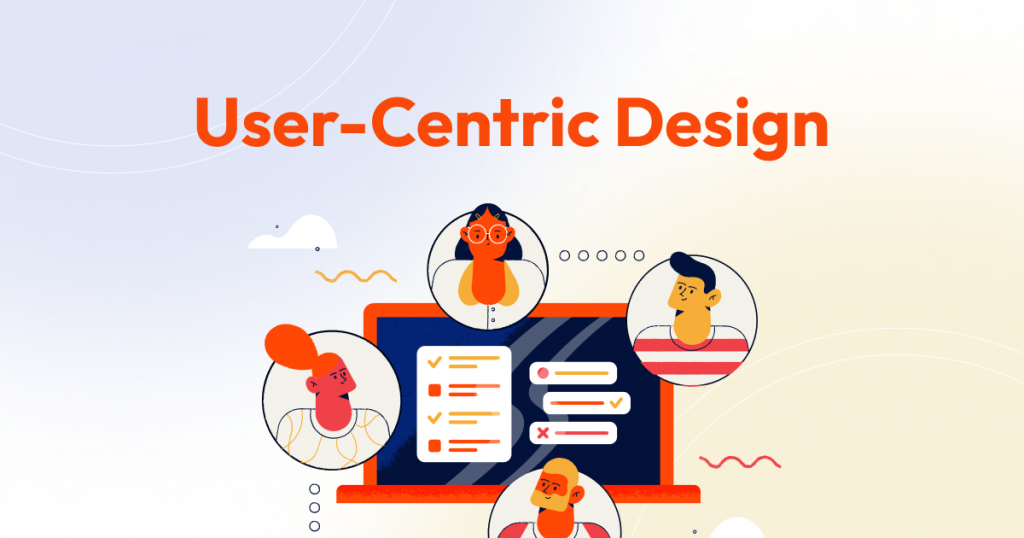
Empathy-Driven Design Strategies
Empathy is a cornerstone of user-centric design. By employing empathy-driven strategies, designers can create experiences that not only meet functional requirements but also forge emotional connections with users. Here are some key strategies for implementing empathy-driven design:
- Conduct Empathy Interviews: Engaging in open-ended conversations with users can uncover their underlying motivations and frustrations. For example, a fitness app might conduct interviews to understand users’ goals and challenges, leading to features that genuinely support their journey.
- Develop Empathy Maps: Visual representations of user thoughts and feelings can help design teams align on user needs. This can be particularly useful when developing a new product, ensuring that all team members understand the target audience’s perspective.
- Create User Personas: Developing fictional characters based on research allows teams to maintain a user-centric focus. For instance, a travel booking platform might create personas representing different traveler types, informing design decisions that cater to each group’s unique preferences.
- Observe User Behavior: Conducting usability tests in real-world contexts can reveal pain points that users might not articulate. For example, observing users as they navigate an e-commerce site can highlight areas of confusion that need to be addressed.
- Track Power User Behavior: Analyzing the actions of highly engaged users can identify patterns that inform design decisions for the broader user base. This approach can help brands prioritize features that resonate most with their audience.
- Monitor Happy Paths: Identifying and optimizing successful user journeys ensures that the majority of users have a smooth experience. A well-designed onboarding process can significantly enhance user satisfaction and retention.
- Implement Feedback Loops: Continuously gathering user feedback allows for rapid improvements based on real experiences. This iterative approach is essential for refining designs and ensuring they meet user needs.
- Use Storytelling Techniques: Framing design solutions within the context of user stories helps maintain empathy and ensures that solutions address real-world scenarios. This technique can be particularly effective in marketing, where storytelling can create a deeper connection with the audience.
By implementing these strategies, companies can create more intuitive, satisfying, and emotionally resonant user experiences. This approach not only improves user satisfaction but also drives business success, as empathy in design has been shown to lead to increased creativity, better problem-solving, and ultimately, improved user engagement.
Reducing Bounce Rates with Usability
Bounce rates are a critical metric for measuring user engagement. A high bounce rate often indicates that visitors are not finding what they are looking for or are experiencing a poor user experience. User-centric design plays a pivotal role in reducing bounce rates and enhancing overall website performance.
Key Factors Affecting Bounce Rates
- Page Load Speed: Faster loading times lead to better user satisfaction and lower bounce rates. Techniques such as optimizing images, minimizing HTTP requests, and leveraging browser caching can significantly improve page speed.
- Efficient Onboarding Flow: A well-crafted onboarding process helps users quickly understand the value proposition and how to use the product effectively. For example, a mobile app that guides users through its features can reduce the likelihood of users bouncing off the site.
- Clear and Intuitive Navigation: Users should be able to easily find the information they are looking for without confusion. Implementing a logical site structure, using descriptive labels, and providing a search function can greatly enhance navigation.
- Content Quality and Relevance: Ensuring that the content matches user expectations and provides value is essential. This includes using clear, concise language, breaking up text with subheadings and bullet points, and incorporating relevant visuals.
- Mobile Optimization: With more users accessing websites via smartphones, responsive design that adapts to different screen sizes is crucial for reducing bounce rates.
- Strategic Calls-to-Action (CTAs): Well-placed and clearly designed CTAs encourage users to explore more of the website, reducing the likelihood of bouncing. For instance, a clear “Learn More” button can guide users to additional content.
- A/B Testing: Continuously testing different layouts and design elements helps identify what resonates best with the audience. This data-driven approach allows for ongoing improvements in usability.
By focusing on these usability factors, websites can create a more engaging and satisfying user experience, leading to reduced bounce rates, increased time on site, and ultimately, better conversion rates and business outcomes.
Personalization for Enhanced User Loyalty
Personalization has emerged as a powerful tool for enhancing user loyalty and creating more engaging digital experiences. By tailoring content, products, and services to individual user preferences, businesses can foster deeper connections with their customers.

Benefits of Personalization
- Boosts Customer Loyalty: Personalized experiences make users feel valued and understood. This emotional connection can lead to increased customer retention and higher lifetime value. Research shows that personalized communications can increase revenue by 10% to 40%.
- Mobile Loyalty Apps: Dedicated mobile apps for loyalty programs allow for real-time personalization and easy access to rewards. This convenience enhances user engagement and loyalty.
- Gamification: Incorporating game-like elements into loyalty programs can motivate users to participate more actively. For example, offering rewards for completing specific actions can drive engagement.
- Tailored Product Recommendations: Using data analytics to suggest relevant products based on user behavior can significantly enhance the shopping experience. This approach ensures that users are presented with options that align with their interests.
- Personalized Content Delivery: Adapting website content and marketing messages to reflect individual user interests can increase engagement and conversion rates.
- Customized User Interfaces: Allowing users to customize their dashboard or app interface according to their preferences can improve usability and satisfaction.
- Loyalty Programs: Collecting valuable data on customer preferences through loyalty programs enables more effective personalization efforts across various marketing channels.
Effective personalization involves understanding the user’s context, preferences and needs to deliver truly relevant experiences. For instance, a well-designed personalization strategy might consider factors such as location, past purchases, and browsing history to provide tailored recommendations.
The impact of personalization on user loyalty is significant. A study by Mastercard found that personalized offers can lead to an 18% increase in customer spending. This demonstrates the direct link between personalization and increased customer engagement and loyalty.
Sociobo: Enhancing User Engagement Through Social Proof
At Sociobo, we understand the importance of user-centric design and engagement strategies. Our exclusive program helps individuals and businesses leverage social media to build their personal or brand identity. By employing a technique known as “social proof aggregation,” Sociobo systematically enhances brand visibility, authority, and influence on social media platforms.
The Power of Social Proof
Social proof is a psychological phenomenon where people conform to the actions and beliefs of others, especially in uncertain situations. In the context of social media, metrics such as followers, likes, comments, and shares serve as indicators of credibility and popularity. High engagement numbers suggest to potential followers that a profile is worth their attention.
Sociobo’s core service revolves around providing aggregated followers and engagement. Unlike fake followers, which can harm engagement rates and lead to penalties on social media platforms, aggregated followers are high-quality bot accounts created using official apps. These accounts are active and engaged with your content, helping to boost engagement rates, improve profile discovery, and enhance the trust score of your social media profiles in algorithms.
Target Audience and Application
Celebrities, brands, and businesses frequently use social proof to build and maintain their image. By inflating social media metrics through aggregated followers, they can promote their content more effectively in social media algorithms, attract genuine followers, and create a strong brand presence.
Sociobo provides services across multiple platforms, including Instagram, TikTok, YouTube, Facebook, and Spotify. We also offer customized experience packages for other platforms upon request. By enhancing social media profiles through aggregated followers, we help individuals and brands establish or grow their presence on social media, leveraging the concept of social proof to drive engagement.
In today’s digital landscape, user-centric design is not just a trend; it’s a necessity for brands seeking to improve engagement rates and foster loyalty. By understanding user needs, employing empathy-driven design strategies, and focusing on usability, businesses can create experiences that resonate with their audience. Personalization further enhances these experiences, driving deeper connections and long-term loyalty.
At Sociobo, we are committed to helping brands enhance their social media presence through effective design and engagement strategies. By leveraging social proof aggregation, we enable individuals and businesses to build credibility and attract genuine followers. If you’re looking to elevate your brand’s visibility and engagement on social media, consider exploring Sociobo’s services. Together, we can create a user-centric approach that drives success in the digital realm.
For more information on how Sociobo can help you enhance your social media presence, visit Sociobo.com today!




No comment yet, add your voice below!