

In today’s hyper-connected digital landscape, businesses are constantly vying for consumer attention. With an overwhelming number of advertisements bombarding potential customers daily—estimated at anywhere from 6,000 to 10,000—it’s easy to understand why many companies feel the pressure to promote themselves aggressively. However, while marketing is crucial for visibility, over-promotion can have detrimental effects, pushing potential customers away rather than drawing them in. In this blog post, we will explore the dangers of over-promotion, its impact on consumer perception, and how brands can adopt a more balanced approach to their marketing strategies.
Understanding Over-Promotion
Over-promotion refers to the excessive marketing of a product or service, often characterized by repetitive messaging across multiple channels. This practice can lead to consumer fatigue, diminished brand perception, and, ultimately, a loss of trust. While it may seem counterintuitive, bombarding consumers with promotional content can create a negative association with the brand, making them less likely to engage or purchase.

The Psychological Toll of Repetitive Ads
One of the most significant consequences of over-promotion is consumer fatigue. When individuals are exposed to the same advertisement repeatedly, they can develop a mental block against it, actively ignoring or avoiding the content. This phenomenon, known as ad fatigue, can lead to decreased attention spans and reduced engagement with marketing messages.
Research indicates that the effectiveness of ads drops significantly after a frequency of just a few views. For instance, Facebook data suggests that ad effectiveness declines after an average of 3.4 views over ten weeks. Similarly, a study by Simulmedia found that individuals who saw the same TV ad between six to ten times were 4.1% less likely to make a purchase compared to those who saw it two to five times. These statistics highlight the critical need for marketers to be mindful of how often they promote their products.
The Erosion of Brand Trust
Another significant consequence of over-promotion is the erosion of brand trust. Trust is a vital asset for any business, and when consumers feel overwhelmed by excessive marketing messages, they often perceive the brand as desperate or intrusive. This perception can have lasting repercussions on a brand’s reputation and customer relationships.
According to research, 65% of consumers have switched brand loyalties due to a disconnect between their experience and the brand’s promises. This disconnect is often exacerbated by over-promotion, as inflated expectations can lead to disappointment. Younger demographics, particularly Gen Z and millennials, are especially sensitive to perceived inauthenticity, with approximately 70% of them abandoning brands due to unmet expectations.
Dilution of the Core Brand Message
Over-promotion can also lead to the dilution of a brand’s core message. This occurs when a company’s marketing efforts become inconsistent or overextended, causing confusion among consumers about what the brand truly represents. For example, a luxury fashion brand that suddenly launches a budget line of kitchen appliances may confuse its audience and dilute its premium image.
Inconsistent messaging across different channels can further contribute to brand dilution. When a brand’s visual identity, tone, or value proposition varies significantly, it becomes challenging for consumers to form a cohesive understanding of the brand. This inconsistency can erode brand recognition and make it difficult for customers to differentiate the brand from competitors.
Strategies to Avoid Over-Promotion
Given the potential pitfalls associated with over-promotion, businesses must adopt more balanced and thoughtful marketing strategies. Here are some effective approaches to consider:
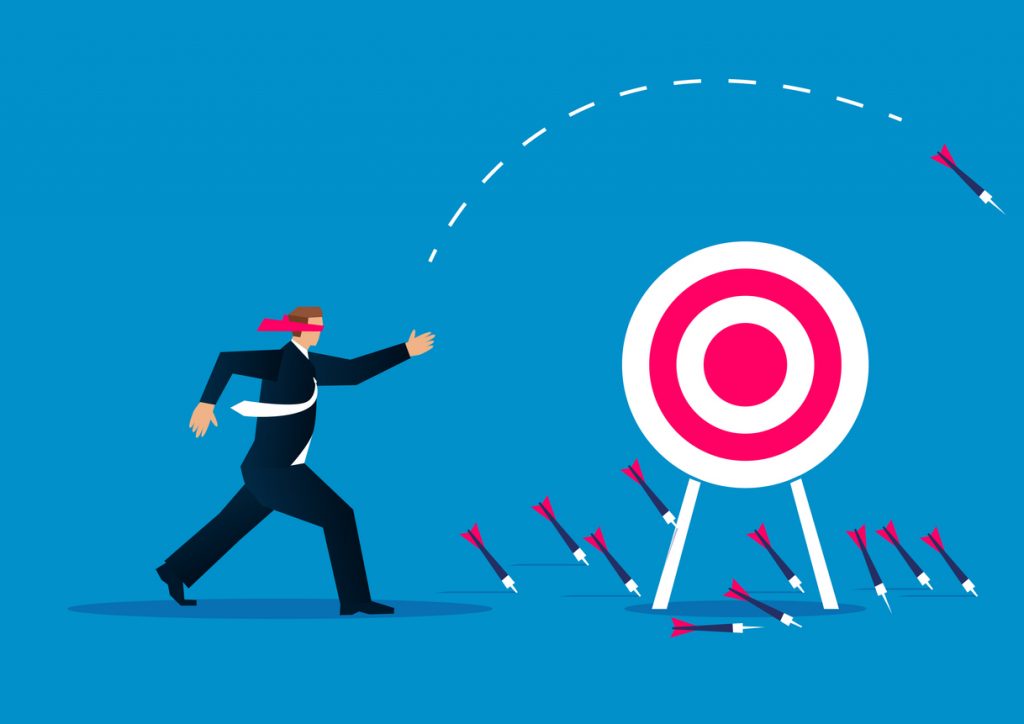
- Focus on Quality Over Quantity: Instead of bombarding consumers with promotional messages, businesses should prioritize quality content that resonates with their audience. This could involve creating engaging stories, informative blog posts, or visually appealing graphics that add value rather than simply pushing products. By focusing on quality, brands can foster a deeper connection with their audience.
- Diversify Marketing Channels: Using a mix of marketing channels can help prevent over-promotion on any single platform. For instance, a brand might utilize social media, email marketing, and content marketing to reach its audience without overwhelming them. By diversifying their approach, brands can maintain a consistent presence while keeping their messaging fresh and engaging.
- Monitor and Adjust Ad Frequency: Regularly monitoring ad frequency across platforms is essential to avoid oversaturation. Marketers should analyze performance metrics to determine the optimal frequency for their ads and adjust their strategies accordingly. This might involve rotating ad creatives or using dynamic content that adapts to user preferences and behaviors.
- Engage Authentically with Your Audience: Authentic engagement is key to building trust and loyalty. Instead of solely focusing on promotional messages, brands should strive to create meaningful interactions with their audience. This could involve responding to comments, sharing user-generated content, or hosting live Q&A sessions. By fostering genuine connections, brands can enhance their reputation and encourage positive word-of-mouth.
- Leverage Social Proof: Incorporating social proof into marketing strategies can help enhance credibility without resorting to aggressive promotion. Social proof, a concept popularized by Dr. Robert Cialdini, refers to the psychological phenomenon where individuals look to the actions and beliefs of others to guide their own decisions. By showcasing positive reviews, testimonials, and user-generated content, brands can build trust and attract organic followers.
At Sociobo, we specialize in helping businesses leverage social proof through our unique approach to social media engagement. By employing a technique known as “social proof aggregation,” we enhance your brand’s visibility and authority on platforms like Instagram, TikTok, YouTube, Facebook, and Spotify. Our services provide aggregated followers and engagement, allowing your brand to appear more credible and influential without resorting to over-promotion.
In a world where consumers are inundated with advertisements, the danger of over-promotion cannot be overstated. While marketing is essential for brand visibility, excessive promotion can lead to consumer fatigue, erosion of trust, and dilution of a brand’s core message. By adopting a more balanced approach that prioritizes quality content, authentic engagement, and strategic use of social proof, businesses can foster lasting relationships with their audience.
If you’re looking to enhance your brand’s presence on social media while avoiding the pitfalls of over-promotion, consider exploring Sociobo’s services. Our innovative approach to social proof aggregation can help you build a credible and engaging social media profile that attracts genuine followers and enhances your brand’s authority. Visit Sociobo.com today to learn more about how we can help you grow your brand effectively and sustainably.
By embracing a thoughtful marketing strategy and leveraging the power of social proof, you can ensure that your brand stands out in a crowded marketplace—without overwhelming your audience.






No comment yet, add your voice below!