

In the fast-paced world of social media, platforms rise and fall with astonishing speed. One such platform that failed to gain traction is Instagram’s IGTV, launched in 2018. Initially heralded as a potential rival to YouTube, IGTV ultimately struggled to capture user interest and engagement. By examining the reasons behind IGTV’s downfall, we can uncover valuable lessons for businesses and content creators navigating the ever-evolving landscape of social media.
The Launch and Initial Hype
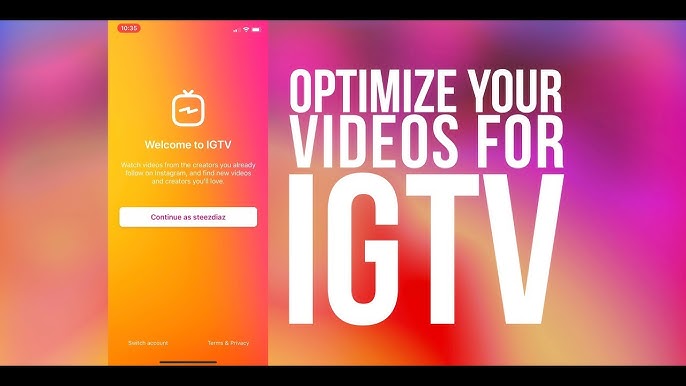
When Instagram unveiled IGTV, the excitement was palpable. The platform promised to revolutionize how users consumed video content on social media. With a focus on long-form vertical videos, IGTV aimed to provide creators with a dedicated space to share their content without the constraints of Instagram’s traditional feed. However, despite the initial buzz, IGTV’s adoption was lackluster, and it quickly became clear that the platform was struggling to find its footing.
Poor User Experience
One of the most significant factors contributing to IGTV’s failure was its poor user experience. From the outset, users encountered various accessibility challenges that hindered their ability to engage with the platform effectively.
Accessibility Challenges
Accessibility is a critical aspect of any digital platform, and IGTV fell short in this regard. The absence of features like captioning and transcription made it difficult for users who are Deaf or hard of hearing to engage with the content. This oversight not only alienated a substantial portion of potential viewers but also limited the reach of content creators who relied on the platform for visibility.
Moreover, IGTV’s visual design posed challenges for users with visual impairments. Issues such as low color contrast, complex images, and small fonts made navigation cumbersome. The platform’s user interface elements, including buttons and navigation menus, were not optimized for assistive technologies, further complicating the experience for users with disabilities.
The lack of descriptive content, such as alt text for images or audio descriptions, rendered visual content inaccessible to blind or low-vision users. This oversight not only diminished the platform’s inclusivity but also negatively impacted overall user engagement.
Navigational Difficulties
Navigational challenges were another significant hurdle for IGTV. The video page layout was not user-friendly, with essential actions placed at the bottom of the screen, making it prone to accidental touches. Additionally, the absence of clear gesture areas in the user interface complicated navigation for all users, leading to frustration and disengagement.
In a landscape where user experience is paramount, IGTV’s shortcomings stood in stark contrast to the efforts made by other platforms. Instagram’s main app introduced features like high contrast modes and auto-generated video captions to improve accessibility, while IGTV failed to keep pace with these advancements.
The Monetization Gap
Another critical factor in IGTV’s downfall was its inability to compete with YouTube’s robust monetization options. While YouTube offered creators multiple revenue streams, IGTV struggled to provide comparable financial incentives.
YouTube’s Monetization Model
YouTube’s monetization model includes several avenues for creators to earn revenue, such as ad revenue sharing, channel memberships, Super Chat, and merchandise shelves. These features incentivize creators to produce high-quality content and engage with their audiences. For instance, successful YouTubers can earn between $5,000 to $15,000 annually with a following of 10,000 to 100,000 subscribers, while top creators can make over $25 million per year.
In contrast, IGTV lacked a structured monetization program, making it challenging to attract and retain top creators. The absence of financial incentives led many creators to prioritize YouTube and other platforms that offered clearer paths to revenue generation.
The Impact of Discoverability
The monetization gap extended beyond direct earnings. YouTube’s sophisticated search engine and recommendation algorithms helped creators reach wider audiences, increasing their potential for brand partnerships and sponsorships. IGTV’s limited discoverability features hindered creators’ ability to grow their audience and attract lucrative deals.
Furthermore, YouTube’s longer video format allowed for more ad placements and opportunities to incorporate sponsored content, enhancing revenue potential. IGTV’s vertical video format and shorter duration limited these possibilities, further exacerbating its struggles.
Competition from TikTok and Reels
The rise of TikTok and Instagram Reels presented formidable competition for IGTV, ultimately contributing to its downfall. These platforms capitalized on the growing demand for short-form, engaging video content, leaving IGTV struggling to find its niche in the social media landscape.
The Appeal of Short-Form Content
TikTok, launched globally in 2018, quickly became a dominant force in the social media world. Its algorithm-driven content discovery and easy-to-use video creation tools made it highly appealing to both creators and viewers. By 2024, TikTok had established itself as a powerhouse for viral challenges and community engagement, fostering a unique culture of creativity and trends.
In response to TikTok’s success, Instagram launched Reels in 2020, directly competing with TikTok’s short-form video format. Reels benefited from Instagram’s massive existing user base and integrated seamlessly with the platform’s other features, making it an attractive option for content creators already established on Instagram.
Engagement Rates and Creator Tools
The competition between these platforms intensified as they vied for user attention and creator loyalty. TikTok and Reels consistently outperformed IGTV in terms of user engagement. A 2024 study revealed that TikTok and Reels had significantly higher engagement rates compared to longer-form video content.

Both TikTok and Reels offered user-friendly editing tools, filters, and effects that made content creation more accessible and fun. In comparison, IGTV lacked these intuitive creation features, making it less appealing to creators looking to engage their audiences.
Discoverability and Cross-Platform Compatibility
TikTok’s powerful algorithm and Reels’ integration with Instagram’s explore page made it easier for users to discover new content and for creators to reach wider audiences. IGTV struggled with discoverability issues, making it harder for creators to grow their following on the platform.
Additionally, the short-form nature of TikTok and Reels content made it easy for users to share across multiple platforms, increasing viral potential. IGTV’s longer format was less conducive to this type of cross-platform sharing, further limiting its reach.
Lessons Learned from IGTV’s Downfall
The demise of IGTV offers several critical lessons for businesses and content creators navigating the social media landscape:
- Prioritize User Experience: Accessibility and usability should be at the forefront of any platform’s design. Ensuring that content is accessible to all users, including those with disabilities, can significantly broaden your audience.
- Monetization Matters: For a platform to succeed, it must provide creators with tangible financial rewards for their efforts. Developing a robust monetization model can help attract and retain top talent.
- Adapt to User Preferences: The social media landscape is constantly evolving, and platforms must be agile in adapting to changing user preferences. Embracing trends, such as the shift towards short-form content, can help maintain relevance.
- Focus on Discoverability: Implementing effective algorithms and features that enhance content discoverability can significantly impact user engagement and creator success.
- Engage Creators: Providing tools and resources that empower creators to produce high-quality content can foster loyalty and encourage them to invest in the platform.
The Role of Social Proof in Building a Brand
As we reflect on IGTV’s challenges, it’s essential to consider the broader implications for businesses and individuals looking to establish a strong presence on social media. One key concept that can enhance visibility and engagement is social proof.

Social proof, as introduced by Dr. Robert Cialdini in his seminal work “Influence,” is a psychological phenomenon where individuals look to the actions and beliefs of others to guide their own behavior. In the context of social media, social proof manifests through metrics such as followers, likes, comments, and shares. High numbers in these metrics suggest credibility and popularity, which in turn attracts more genuine engagement.
Harnessing Social Proof with Sociobo
At Sociobo, we understand the power of social proof in building a brand’s identity and influence on social media. Our exclusive program leverages a technique known as “social proof aggregation” to systematically enhance your brand’s visibility, authority, and influence across various platforms, including Instagram, TikTok, YouTube, Facebook, and Spotify.
By providing aggregated followers and engagement, we help you boost your perceived credibility and influence, making your profile more attractive to organic followers. Unlike fake followers, which can harm engagement rates and lead to penalties, our aggregated followers are high-quality bot accounts created using official apps. These accounts are active and engaged with your content, positively impacting your trust score in social media algorithms.
The rise and fall of IGTV serve as a cautionary tale for businesses and content creators navigating the dynamic world of social media. By prioritizing user experience, developing robust monetization strategies, and adapting to changing user preferences, platforms can enhance their chances of success.
As you embark on your journey to build your brand on social media, consider the role of social proof in attracting genuine engagement. At Sociobo, we are committed to helping you leverage social media effectively to enhance your personal or brand identity. Explore our services today to see how we can help you achieve your social media goals. Visit Sociobo.com and take the first step towards elevating your online presence.






No comment yet, add your voice below!