

In a world where consumer attention is fleeting and competition is fierce, brands are constantly searching for innovative strategies to engage their audiences. One such strategy that has gained remarkable traction in recent years is nostalgia marketing. This approach taps into consumers’ emotional connections to the past, leveraging familiar memories to drive engagement, loyalty, and ultimately, sales. As we delve into the intricacies of nostalgia marketing, we will explore its effectiveness on social media platforms, how brands can harness its power, and how Sociobo can assist in amplifying these efforts.
Understanding Nostalgia Marketing
Nostalgia marketing is a strategy that evokes fond memories from the past to create emotional connections with consumers. It involves associating products or services with positive, familiar elements from bygone eras, effectively bridging cherished memories with modern offerings. According to research by Sprout Social, this emotional engagement can significantly enhance brand loyalty and consumer interaction.
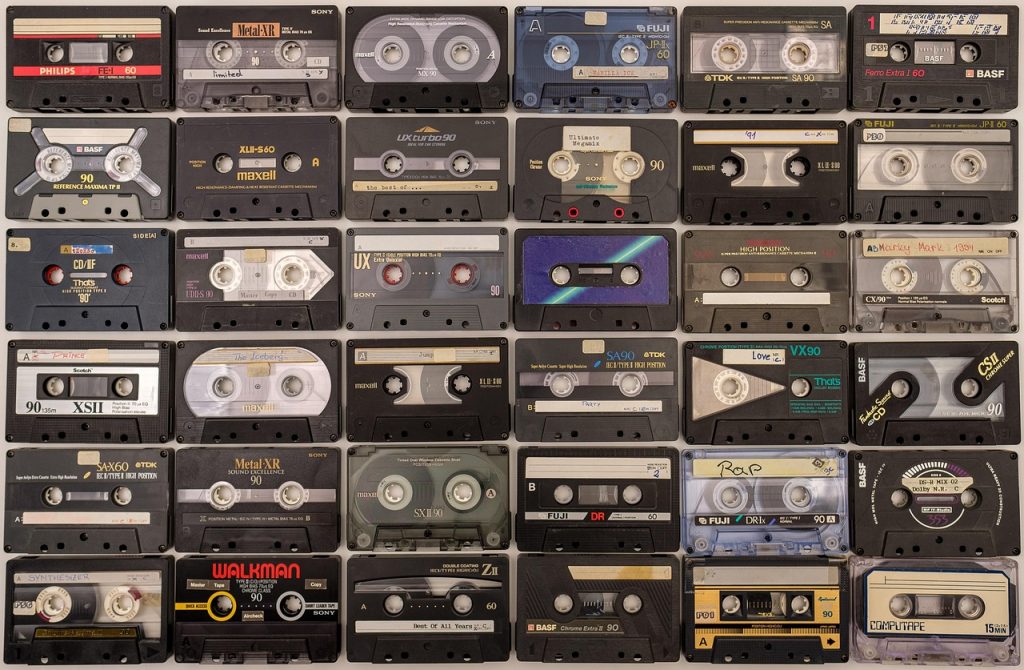
At its core, nostalgia marketing is about creating a sense of comfort and familiarity. In today’s fast-paced world, where change is constant, many consumers seek solace in memories that evoke feelings of safety and happiness. Brands that successfully tap into these sentiments can foster deeper connections with their audiences, leading to increased engagement and loyalty.
The Role of Social Media in Nostalgia Marketing
Social media platforms have become fertile ground for nostalgia marketing, offering brands the ability to reach and engage with their target audiences in innovative ways. With the rise of platforms like Instagram, TikTok, and Facebook, brands can share nostalgic content that resonates with users on a personal level, creating a sense of community and shared experience.
For instance, consider a campaign that encourages users to share their own memories related to a brand or cultural moment. This could involve posting photos of themselves with vintage products or recreating iconic scenes from the past. Such campaigns not only increase visibility but also strengthen the emotional bond between consumers and the brand.
Moreover, the COVID-19 pandemic has intensified the effectiveness of nostalgia-driven engagement strategies. During uncertain times, people often seek comfort in familiar and positive memories. Social media platforms have facilitated this engagement, allowing users to reminisce and connect over shared experiences.
Leveraging Retro Pop Culture
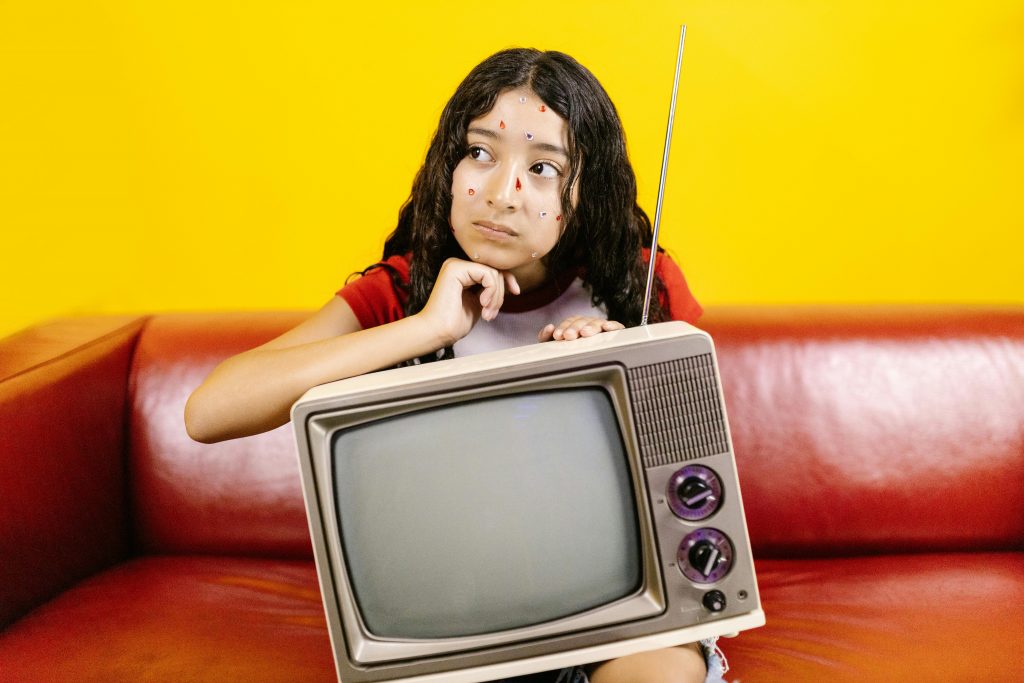
One of the most effective ways brands engage in nostalgia marketing is by leveraging retro pop culture. This strategy allows brands to tap into collective memories and emotions associated with iconic cultural moments. It goes beyond mere product placement, creating immersive experiences that transport consumers back to cherished eras.
Case Study: H&M and “Stranger Things”
A prime example of this strategy in action is H&M’s collaboration with Netflix’s “Stranger Things.” By launching a clothing line that captured the essence of 1980s fashion, H&M successfully appealed to both fans of the show and those nostalgic for the era. This partnership not only drove sales but also forged a deeper emotional connection between consumers and the brand.
The Power of Music
Music plays a crucial role in evoking nostalgia, with brands often licensing classic songs or partnering with iconic artists to create retro-inspired campaigns. Coca-Cola’s revival of its “I’d Like to Buy the World a Coke” campaign demonstrates the enduring power of combining a beloved jingle with universal values, resonating across generations. Such campaigns evoke happy memories and emotions, making the brand message more impactful and memorable.
Visual Aesthetics
The resurgence of retro aesthetics in film and television has provided fertile ground for marketers. Brands are increasingly incorporating vintage filters, graphics, and designs into their campaigns to create a sense of nostalgia and familiarity. This visual approach triggers happy memories and emotions in the audience, making the brand message more impactful and memorable.
For example, brands might use everyday pop culture images from past decades in their products and campaigns to evoke the warm and wholesome tone of ads reminiscent of simpler times. This strategy works particularly well for reaching millennials, who experienced their formative years during significant cultural shifts in the 1980s and 1990s.
Nostalgia-Driven User Engagement
Nostalgia-driven user engagement has become a powerful strategy for brands to foster deeper connections with their audience on social media platforms. By tapping into shared memories and cultural touchpoints, companies can spark conversations, inspire user-generated content, and create viral moments that spread organically across digital channels.

Social Media Challenges
Social media challenges that incorporate nostalgic elements have proven particularly successful in driving engagement. These challenges often involve users recreating trends from the past or participating in themed activities that evoke fond memories. The viral nature of such challenges can significantly boost a brand’s reach and engagement metrics.
For instance, a brand might launch a challenge encouraging users to share their favorite childhood snacks or toys. This not only generates user-generated content but also fosters a sense of community among participants, enhancing brand loyalty.
Interactive Experiences
Brands can also leverage nostalgia to create interactive experiences that encourage active participation. For example, quizzes about past decades, virtual reality experiences that transport users to bygone eras, or augmented reality filters that allow users to “time travel” can all drive significant engagement and shareability.
The key to success lies in understanding the nostalgic touchpoints that resonate with different generations. For instance, while millennials might connect with 90s themes, Gen Z may feel nostalgic about early 2000s culture. By tailoring content to specific age groups and their unique nostalgic triggers, brands can create more targeted and effective engagement campaigns.
Emotional Triggers in Campaigns
Nostalgia marketing campaigns leverage powerful emotional triggers to create deep connections with consumers. These campaigns go beyond simple reminiscence, strategically evoking specific emotions that drive engagement and brand loyalty.

Comfort and Security
One of the primary emotional triggers used in nostalgia marketing is the sense of comfort and security associated with familiar experiences. Brands often recreate scenes or products from the past, providing a psychological “safe haven” for consumers in an increasingly uncertain world. This feeling of safety can be particularly potent during times of stress or change, making nostalgic campaigns especially effective during economic downturns or global crises.
Belonging and Shared Experience
Another key emotional trigger is the sense of belonging and shared experience. Nostalgia marketing often taps into collective memories, creating a feeling of community among consumers who share similar cultural touchpoints. This shared nostalgia can foster a sense of connection not only with the brand but also with other consumers, enhancing overall engagement and brand loyalty.
Happiness and Joy
Happiness and joy are central to many nostalgia-driven campaigns. By reminding consumers of positive experiences from their past, brands can trigger the release of neurotransmitters associated with pleasure, such as dopamine and serotonin. This neurochemical response can create a positive association with the brand, increasing the likelihood of purchase and repeat engagement.
Pride and Accomplishment
Pride and accomplishment are emotional triggers often utilized in campaigns that reference past achievements or milestones. For instance, a brand might celebrate its own history or highlight societal progress, tapping into consumers’ sense of pride in how far they’ve come. This approach can be particularly effective when targeting specific generations or demographic groups with shared historical experiences.
Curiosity and Wonder
Curiosity and wonder can also be powerful emotional triggers in nostalgia marketing. By reintroducing discontinued products or reviving old mascots, brands can pique consumers’ interest and create a sense of excitement around rediscovering elements from the past. This strategy often leads to increased social media buzz and word-of-mouth marketing.
Authenticity and Relevance
While nostalgia can be a powerful tool for driving engagement, it should be used authentically and in moderation. Overreliance on nostalgic content or forced attempts to capitalize on past trends can lead to audience fatigue or even backlash. Successful campaigns blend nostalgic elements with contemporary relevance, ensuring that the content resonates with users’ current experiences while evoking positive emotions from the past.
To effectively leverage nostalgia, brands must conduct thorough research to understand the specific nostalgic touchpoints that resonate with their target audience. This often involves social listening and data analysis to identify trends and cultural moments that hold emotional significance for different consumer segments.
How Sociobo Enhances Nostalgia Marketing
At Sociobo, we understand the importance of building a strong brand identity on social media. Our exclusive program is designed to help individuals and businesses leverage social media effectively, enhancing their visibility, authority, and influence. By employing techniques such as social proof aggregation, we enable brands to reach wider audiences and foster deeper connections with their followers.

Nostalgia marketing can be particularly effective when combined with our services. By boosting your social media metrics through aggregated followers and engagement, we help create a perception of credibility and popularity. This, in turn, attracts more genuine engagement and followers who resonate with your nostalgic campaigns.
Imagine launching a nostalgia-driven campaign that encourages users to share their favorite childhood memories. With Sociobo’s services, you can amplify the reach of this campaign, ensuring that it captures the attention of your target audience. By enhancing your social media presence, you can create a community of engaged followers who share a love for the past while embracing your brand’s offerings.
Nostalgia marketing is a powerful strategy that taps into consumers’ emotional connections to the past, driving engagement and loyalty. In an era where social media plays a pivotal role in shaping brand perceptions, leveraging nostalgia can create meaningful connections with audiences.
By understanding the emotional triggers associated with nostalgia, brands can craft campaigns that resonate deeply with consumers. Whether through retro pop culture references, user-generated content, or interactive experiences, the possibilities for nostalgia marketing are vast.
At Sociobo, we are committed to helping you harness the power of nostalgia marketing while enhancing your social media presence. Our services are designed to boost your brand’s visibility and authority, ensuring that your nostalgic campaigns reach their full potential.
If you’re ready to elevate your social media strategy and create meaningful connections with your audience, explore how Sociobo can help you achieve your goals. Together, we can turn nostalgia into a powerful tool for engagement and brand loyalty. Visit Sociobo.com today to learn more about our services and how we can support your journey towards social media success.






No comment yet, add your voice below!