

In the digital age, emojis have become a vital part of our communication. They add emotional depth, help clarify intentions, and make interactions more engaging. However, the line between effective usage and overuse can often be blurred, especially in professional settings. Striking the right balance is crucial to ensure that your messages are not only clear but also maintain a level of professionalism. In this post, we’ll explore how to use emojis effectively, the potential pitfalls of overusing them, and best practices for incorporating them into your communications.
The Role of Emojis in Communication
Emojis serve as a visual representation of emotions, ideas, and concepts. They can enhance the tone of a message, making it more relatable and expressive. For example, a simple smiley face ???? can soften a serious message, while a thumbs up ???? can indicate approval or agreement. In essence, emojis can bridge the gap between the written word and the emotional context behind it.

The Psychological Impact of Emojis
Research indicates that emojis can significantly influence how messages are perceived. According to a study published in the journal Cyberpsychology, Behavior, and Social Networking, the use of emojis can lead to increased engagement and a more positive reception of messages. This is particularly true in informal settings where the recipient may appreciate the added emotional nuance that emojis provide.
However, it’s important to remember that not everyone interprets emojis in the same way. The context, the relationship between the sender and recipient, and cultural differences all play a role in how emojis are perceived. Therefore, while emojis can enhance communication, they can also lead to misunderstandings if not used thoughtfully.
Striking the Right Balance
Use Emojis Sparingly in Professional Contexts
In professional settings, the use of emojis should be approached with caution. Overusing emojis can make you appear less competent or unprofessional, particularly in formal communications such as emails to clients or superiors. A study by Business.com suggests that employees who frequently use emojis in work communications may be perceived as less serious or credible.

To maintain professionalism, consider the following guidelines:
- Know Your Audience: Understand the preferences of your audience. Emojis may be more acceptable in casual team chats than in formal communications.
- Use Emojis to Clarify Tone: Emojis can help clarify your tone, especially in situations where text alone may be ambiguous. For instance, using a smiley face can indicate friendliness in a constructive criticism scenario.
- Stick to Recognizable Emojis: Use widely recognized emojis that are unlikely to be misinterpreted. Emojis like the smiley face ???? or thumbs up ???? are generally safe choices.
- Avoid Replacing Words with Emojis: Emojis should complement your message, not replace it. Use them to enhance clarity rather than as substitutes for important words.
- Be Consistent: If you decide to use emojis as part of your brand communication, consider incorporating a few select emojis into your brand guidelines for cohesive communication.
- When in Doubt, Leave Them Out: If you’re unsure whether an emoji fits your message, it’s often better to omit it altogether.
Understanding Misinterpretation
Emojis can be powerful tools for conveying emotion, but they can also lead to misunderstandings if not used thoughtfully. Misinterpretation can arise from several factors, including:
- Design Variations Across Platforms: Emojis may appear differently on various devices or platforms, which can alter their perceived meaning. For example, the shade of a cheek or the slant of an expression can vary, leading to different interpretations.
- Cultural Differences: Cultural backgrounds significantly influence how emojis are interpreted. For instance, the “thumbs up” emoji is generally positive in Western cultures but can be offensive in some Middle Eastern countries.
To mitigate these risks, familiarize yourself with how emojis appear on different devices and research cultural interpretations before using them in international communications. When in doubt, opt for more universally understood emojis or stick to text-based communication.
Cultural Sensitivity in Emoji Selection
In our increasingly globalized digital landscape, cultural sensitivity in emoji selection is crucial for effective cross-cultural communication. Different cultures interpret emojis in diverse ways, and what may seem innocuous in one context could be offensive or confusing in another.
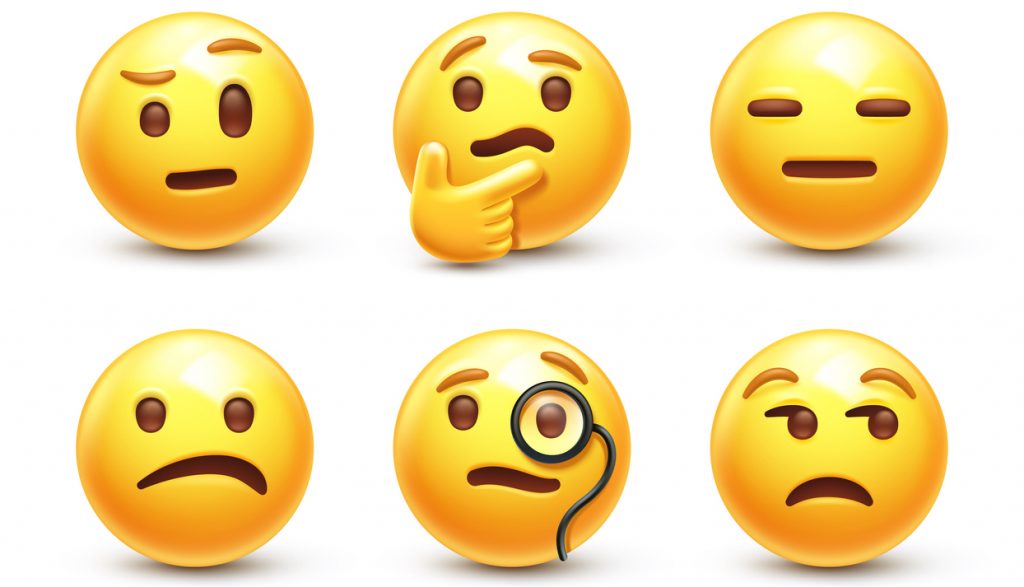
Navigating Cultural Nuances
To navigate these cultural nuances, consider the following strategies:
- Educate Yourself: Research the cultural significance of emojis, especially those relevant to your workplace or target audience. Understanding cultural interpretations can prevent misunderstandings.
- Be Aware of Emotional Weight: Emojis can carry different emotional weights in various cultures. For example, a smiley face may convey happiness in one culture but can be perceived as insincere in another.
- Choose Universally Understood Emojis: When communicating with diverse audiences, opt for emojis that have a more universal meaning to minimize the risk of misinterpretation.
- Avoid Hand Gesture Emojis: Hand gesture emojis can have vastly different meanings across cultures. It’s best to avoid them unless you are certain of their interpretation.
- Consider Context and Relationship: Always consider the context and your relationship with the recipient before using emojis, especially in professional settings.
The Importance of Continuous Learning
Emoji interpretation is not static; it evolves over time. Staying updated on emoji evolution and new additions that reflect cultural diversity is essential. When in doubt, use text to clarify your intended meaning alongside the emoji. Be open to learning from misunderstandings and adjust your emoji usage accordingly.
Best Practices for Using Emojis
To effectively use emojis without overdoing it, consider implementing the following best practices:

- Limit Usage in Formal Communications: Reserve emojis for informal communications or when you have established a rapport with the recipient.
- Use Emojis to Enhance, Not Replace: Ensure that emojis enhance your message rather than replace important words or phrases. They should serve as a complement to your text.
- Test the Waters: If you’re unsure whether emojis will be well-received, start by using them sparingly and gauge the response from your audience.
- Be Mindful of Tone: Always consider the tone of your message. Emojis can help convey a friendly tone but can also be misinterpreted if the message itself is serious.
- Stay Consistent with Brand Voice: If you’re representing a brand, ensure that your emoji usage aligns with your brand’s voice and image. Consistency is key to maintaining a professional appearance.
- Engage with Your Audience: Pay attention to how your audience uses emojis. This can provide insights into their preferences and help you tailor your emoji usage accordingly.
Emojis can be powerful tools for enhancing communication, adding emotional depth, and clarifying intentions. However, striking the right balance between effective use and overuse is crucial, especially in professional settings. By understanding the nuances of emoji usage, being mindful of cultural differences, and following best practices, you can harness the power of emojis to enhance your digital communications without compromising professionalism.
At Sociobo, we understand the importance of effective communication in building your brand identity and engaging with your audience. Our services are designed to help individuals and businesses leverage social media to enhance their visibility and influence. By utilizing the concept of social proof aggregation, we can help you create a strong online presence that attracts genuine followers and enhances your credibility.
If you’re looking to elevate your social media game and build a brand that resonates with your audience, consider trying Sociobo’s services. Visit Sociobo.com to learn more about how we can help you enhance your social media presence and effectively communicate your brand message.
Embrace the power of emojis wisely, and let them work for you in building meaningful connections in your digital communications!






No comment yet, add your voice below!