

In today’s digital landscape, the ability to transform raw data into actionable content plans is not just a luxury; it’s a necessity. Marketers and brands that can effectively leverage data insights are better positioned to engage their audiences, drive conversions, and ultimately achieve their business objectives. This blog post will explore how to turn data insights into actionable content plans, with a focus on practical steps you can take to optimize your content strategy. Additionally, we will highlight how Sociobo can assist you in amplifying your social media presence through strategic insights.
Understanding the Importance of Data-Driven Content Strategies
The shift towards data-driven marketing is reshaping how content is created and distributed. According to ActualTech Media, leveraging hard data rather than relying solely on brainstorming sessions refines the content creation process and optimizes resource allocation. This ensures that content efforts align closely with business objectives and audience preferences.
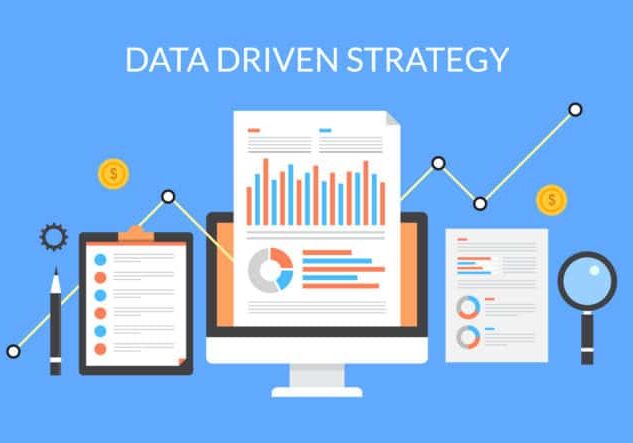
Data-driven strategies provide marketers with a clear understanding of their audience’s needs and behaviors. By analyzing data, brands can identify trends, preferences, and pain points, allowing them to create content that resonates with their target audience. This approach not only enhances engagement but also improves conversion rates and brand loyalty.
The Role of Sociobo in Data-Driven Strategies
At Sociobo, we understand the significance of data in shaping effective content strategies. Our program leverages social proof aggregation to enhance your brand’s visibility and authority on social media platforms. By systematically increasing your follower count and engagement, Sociobo enables you to reach a wider audience, making your content more impactful.
Prioritizing High-Impact Insights
When transforming data insights into actionable content plans, prioritizing high-impact insights is crucial for maximizing effectiveness. Here are some steps to help you focus on the insights that can drive significant results:

- Align Insights with Clear Goals and KPIs: Start by defining specific objectives for your content marketing efforts, such as increasing website traffic, improving conversion rates, or enhancing brand awareness. This alignment ensures that the insights you prioritize directly contribute to your overarching business goals.
For example, if your goal is to increase brand awareness, you might focus on insights related to audience demographics and engagement metrics. By understanding who your audience is and what content they engage with, you can create targeted campaigns that resonate with them. - Assess Potential Impact: Evaluate each insight based on its potential to influence key metrics and drive meaningful change. Consider factors such as audience reach, engagement potential, and alignment with current market trends. Insights that show a clear correlation with your goals should be prioritized.
- Consider Implementation Effort: Balance the potential impact of insights with the effort required to act on them. Prioritize insights that offer a high return on investment in terms of time and resources. For instance, if an insight reveals that a specific type of content performs exceptionally well but requires minimal resources to produce, it should be a top priority.
- Focus on Actionability: Give precedence to insights that can be readily translated into concrete actions or content ideas. Actionable insights are more likely to lead to tangible improvements in your content strategy. For example, if data shows that video content generates higher engagement, consider developing a video series around relevant topics.
- Analyze Competitor Performance: Monitoring and analyzing your competitors’ content strategies can help identify gaps and opportunities in the market. Insights that can help you differentiate your content and gain a competitive edge should be prioritized. Tools like Sociobo can provide valuable insights into your competitors’ social media performance, allowing you to refine your own strategy.
- Use Data Visualization Tools: Employ data visualization techniques to help identify patterns and trends more easily. Data visualization can reveal connections that might not be apparent in raw data, making it simpler to spot high-impact insights. Tools like Google Data Studio or Tableau can help you create visual representations of your data for better understanding.
- Involve Cross-Functional Teams: Collaboration with different departments can provide diverse perspectives on which insights are most valuable to the organization as a whole. This cross-functional approach ensures that prioritized insights align with broader business objectives.
Leveraging Audience Demographics Data
Understanding your audience is key to creating relevant content. Leveraging audience demographics data allows you to tailor your content to meet the specific needs and preferences of your target market.
Segment Your Audience
Start by dividing your target market into distinct groups based on demographic characteristics such as age, gender, income, education level, and location. This segmentation allows for more tailored content creation and targeted marketing efforts. For example, if your data indicates that a significant portion of your audience is under 30, you might focus on platforms like TikTok or Instagram to reach them effectively.
Analyze Behavioral Patterns
Combine demographic data with behavioral insights to gain a deeper understanding of your audience’s preferences and interests. This analysis can inform content topics, formats, and distribution channels. For instance, if your audience shows a preference for video content, consider incorporating more videos into your content plan.
Customize Content Tone and Style
Adjust your writing style, vocabulary, and tone to match the preferences of different demographic segments. Content aimed at younger audiences might use more casual language, while professional audiences may prefer a more formal tone. This customization enhances relatability and engagement.
Optimize Channel Selection
Use demographic data to determine which marketing channels are most effective for reaching specific audience segments. Different age groups may prefer different social media platforms or content formats. For example, older audiences may engage more on Facebook, while younger demographics might gravitate towards Instagram or TikTok.
Personalize Marketing Messages
Craft targeted messages that address the specific needs, pain points, and interests of each demographic group. Personalization can significantly improve engagement and conversion rates. For instance, if your data shows that a segment of your audience is interested in sustainability, consider creating content that highlights your brand’s eco-friendly practices.
Conduct Ongoing Analysis
Regularly review and update your demographic data to ensure your content strategy remains aligned with your audience’s evolving characteristics and preferences. This ongoing analysis allows you to adapt to changes in your audience’s behavior and preferences.
Testing Content Through A/B Methods
A/B testing, or split testing, is a powerful method for optimizing content and improving marketing performance. This approach involves creating two versions of a piece of content with variations in a single element and comparing their performance to determine which version is more effective.

Steps to Conduct A/B Testing
- Identify the Element to Test: Choose a specific aspect of your content to modify, such as headlines, images, call-to-action buttons, or layout.
- Create Two Versions: Develop two variations of your content, keeping all elements identical except for the one you’re testing.
- Split Your Audience: Randomly divide your target audience into two groups, ensuring each group is exposed to only one version of the content.
- Set Clear Goals and Metrics: Define specific objectives for your test and select relevant metrics to measure success. Common A/B testing metrics include conversion rate, click-through rate (CTR), and bounce rate.
- Run the Experiment: Launch your test and allow it to run for a statistically significant period to gather reliable data.
- Analyze Results: Use analytics tools to compare the performance of both versions and determine which one achieved better results based on your predefined metrics.
- Implement and Iterate: Apply the insights gained from your test to improve your content strategy. Continue testing different elements to refine your approach further.
Best Practices for A/B Testing
- Test one variable at a time to isolate the impact of specific changes.
- Ensure your sample size is large enough to yield statistically significant results.
- Be patient and allow tests to run for an adequate duration to account for variations in user behavior.
- Use A/B testing tools and platforms to streamline the process and improve accuracy.
By systematically implementing A/B testing in your content strategy, you can make data-driven decisions that lead to improved engagement, higher conversion rates, and better overall performance of your marketing efforts.
Integrating Sociobo’s Services for Enhanced Performance
As you embark on the journey of turning data insights into actionable content plans, consider how Sociobo can enhance your efforts. By leveraging our social proof aggregation services, you can boost your social media metrics, making your profiles more attractive to organic followers.
Sociobo’s approach to social proof is rooted in the psychological phenomenon identified by Dr. Robert Cialdini, where people tend to conform to the actions and beliefs of others, especially in uncertain situations. By increasing your follower count with aggregated followers—high-quality bot accounts that engage with your content—you can enhance your profile’s credibility and authority.

This increased visibility allows your content to reach a wider audience, ultimately driving more genuine engagement. Whether you’re a brand looking to establish a strong online presence or an individual seeking to build your personal brand, Sociobo’s services can provide the boost you need.
Transforming data insights into actionable content plans is a critical skill for modern marketers. By prioritizing high-impact insights, leveraging audience demographics, and utilizing A/B testing, you can create targeted content strategies that resonate with your audience and drive results.
At Sociobo, we are committed to helping you enhance your social media presence through our innovative social proof aggregation services. By systematically increasing your follower count and engagement, we empower you to reach a wider audience and achieve your content marketing goals.
If you’re ready to take your social media strategy to the next level, explore the services offered by Sociobo. Visit Sociobo.com today to learn more about how we can help you turn data insights into actionable content plans that drive success.






No comment yet, add your voice below!