

In the ever-evolving landscape of social media and digital content, engaging your audience is paramount. Interactive polls and quizzes have emerged as powerful tools for boosting audience engagement and gathering valuable insights. As we navigate through the intricacies of creating engaging polls and quizzes, we will explore the significance of multimedia, gamification, and personalization in enhancing user experience. Additionally, we will see how these strategies can be integrated with Sociobo’s services to amplify your social media presence.
The Power of Interactive Content
Interactive content, such as polls and quizzes, stands out in a sea of static information. It invites users to participate actively rather than passively consume content. This engagement can lead to higher retention rates, increased shares, and a more profound connection between the audience and the brand.

Why Polls and Quizzes?
Polls and quizzes serve multiple purposes:
- Audience Engagement: They encourage participation, making users feel valued and heard.
- Data Collection: They provide insights into audience preferences, behaviors, and opinions.
- Brand Awareness: Engaging content can lead to increased visibility and shares, enhancing brand recognition.
- Education: Quizzes can be informative, helping users learn while they engage.
According to research, integrating multimedia elements into quizzes can significantly enhance user engagement and create a more immersive learning experience. By leveraging various media formats, quiz creators can cater to different learning styles, making assessments more interactive and memorable.
Using Multimedia in Quizzes
Incorporating multimedia elements into quizzes can significantly elevate user engagement. Here’s how to effectively use multimedia in your quizzes:

- Visual Elements: Images can be used to illustrate concepts, provide context for questions, or serve as the basis for visual recognition tasks. High-quality, relevant images can simplify complex information, making it easier for participants to process and retain knowledge. For example, a quiz about art history can include images of famous paintings, prompting participants to identify the artist or the period.
- Video Integration: Embedding short video clips within questions can transform passive viewing into an active learning experience. For instance, a quiz about cooking techniques can include video demonstrations, allowing participants to answer questions based on what they observed. This approach encourages deeper engagement and comprehension.
- Audio Elements: Incorporating sound clips or spoken questions can test listening comprehension and add variety to the quiz format. This is particularly effective in language learning quizzes, where participants can listen to phrases and answer accordingly. Such multi-sensory approaches reinforce learning and improve information retention.
Best Practices for Multimedia Quizzes
- Accessibility: Ensure multimedia elements are compatible across different devices and platforms.
- Balance: Avoid overwhelming participants with too much media; balance text with visuals.
- Enhancement: Use multimedia to enhance core quiz content, not replace it.
- Optimization: Optimize file sizes to prevent slow loading times, which can negatively impact user experience.
By thoughtfully integrating multimedia elements, quiz creators can craft more engaging and effective assessments that not only test knowledge but also enhance the learning process.
Incorporating Gamified Elements
Gamification transforms quizzes from simple assessments into engaging experiences that boost participation and knowledge retention. Here are some effective gamification strategies:
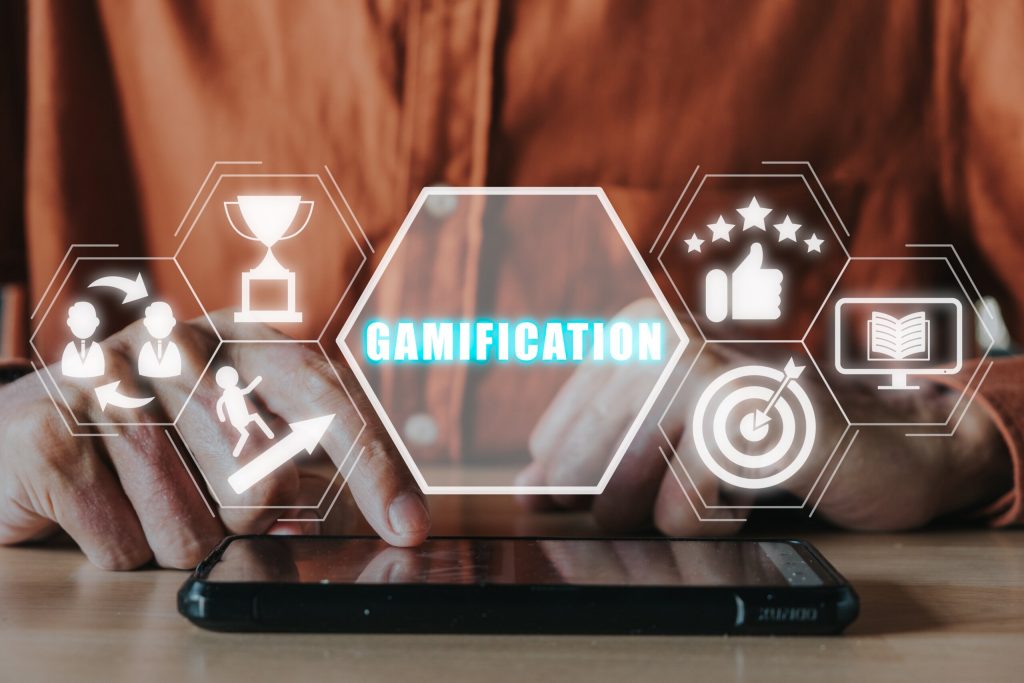
- Points and Badges: Assigning points to questions based on difficulty and awarding badges for specific achievements creates a sense of progress and accomplishment. For instance, a product knowledge quiz might offer badges for completing sections or achieving high scores, motivating users to engage further.
- Leaderboards: Displaying top scorers or allowing users to compare their performance with peers can enhance engagement by appealing to participants’ competitive nature. This approach fosters a sense of community and encourages repeated attempts at the quiz.
- Challenges and Levels: Structuring content into progressively difficult stages provides a sense of advancement and mastery. Users can start with easier questions and gradually tackle more complex topics, maintaining engagement through a balance of achievability and challenge.
- Immediate Feedback: Providing instant responses to user actions reinforces learning and keeps participants focused on their progress. This real-time interaction mimics the feedback loops found in games, creating a more immersive experience.
- Rewards and Incentives: Offering tangible benefits such as discounts or exclusive content can significantly boost participation rates. For example, a marketing quiz might offer a chance to win a product or service, incentivizing users to engage more deeply with brand-related content.
- Time Constraints: Implementing countdown timers for questions can create a sense of urgency that increases focus and engagement. However, it’s important to balance time limits with question complexity to avoid frustration.
- Narrative Elements: Framing questions within a cohesive storyline can capture users’ imagination and maintain interest. This approach is particularly effective for onboarding processes or product training, where information can be presented as part of an engaging narrative.
By carefully selecting and integrating game mechanics that complement the quiz content, creators can craft engaging experiences that not only entertain but also effectively convey information and assess knowledge.
Crafting Personalized Quiz Experiences
Personalization is a powerful strategy to enhance user engagement and gather valuable insights. By tailoring quiz content to individual participants, content creators can significantly increase the relevance and impact of their assessments.
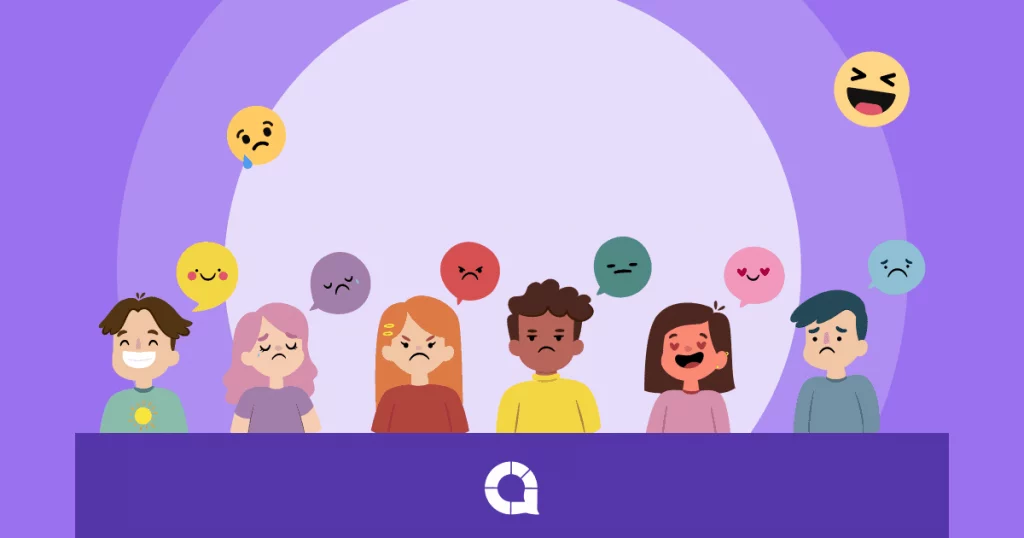
- Dynamic Questioning: Adapting quiz paths based on previous answers allows for a more nuanced experience. For example, a product recommendation quiz might adjust subsequent questions based on initial responses about preferences or needs, ensuring the final recommendation is truly tailored to the individual.
- Addressing Participants by Name: Incorporating the participant’s name throughout the quiz interface creates a more intimate and customized feel. This approach can extend beyond the quiz itself, reinforcing the tailored experience.
- Customized Feedback: Providing detailed explanations that relate directly to the user’s answers enhances the educational value of the quiz. This not only demonstrates a deeper level of engagement with the participant’s input but also encourages further interaction.
- Data-Driven Refinement: Leveraging data collected from quiz responses allows for continuous refinement of the personalization process. By analyzing patterns in user preferences and behaviors, quiz creators can improve their ability to offer relevant content and recommendations over time.
- Adaptive Difficulty Levels: Adjusting the complexity of questions based on user performance keeps participants engaged by avoiding frustration from overly difficult questions or boredom from those that are too easy.
- Balancing Customization and Privacy: When designing personalized quiz experiences, it’s crucial to balance customization with user privacy concerns. Be transparent about data collection and usage, and provide clear opt-out options for participants who prefer a more generic experience.
By crafting truly personalized quiz experiences, content creators can significantly boost engagement rates, improve data collection quality, and provide more value to their audience.
Integrating Sociobo’s Services
As you embark on creating engaging polls and quizzes, consider how Sociobo can enhance your social media strategy. With its focus on social proof aggregation, Sociobo helps individuals and brands build their online presence by increasing visibility, authority, and influence on social media platforms.

Leveraging Social Proof
By utilizing Sociobo’s services, you can enhance your social media metrics, making your quizzes and polls appear more credible and attractive to potential participants. High engagement metrics can draw in genuine followers, amplifying the reach of your interactive content.
Boosting Engagement Rates
Sociobo’s aggregated followers can help improve your profile’s trust score in algorithms, leading to better visibility for your polls and quizzes. Increased visibility means more participants, which can provide richer data and insights for your brand.
Tailored Growth Services
Sociobo offers growth services across multiple platforms, including Instagram, TikTok, YouTube, Facebook, and Spotify. By integrating these services into your overall strategy, you can create a robust online presence that supports your interactive content initiatives.
Creating engaging polls and quizzes is an art that combines multimedia, gamification, and personalization. By thoughtfully integrating these elements, you can craft interactive experiences that captivate your audience, gather valuable insights, and enhance your brand’s visibility.
As you explore the possibilities of interactive content, consider how Sociobo can support your efforts. With its innovative approach to social proof aggregation, Sociobo can help you amplify your social media presence and attract genuine engagement.
Ready to take your polls and quizzes to the next level? Explore Sociobo’s services today at Sociobo.com and unlock the full potential of your social media strategy. Engage your audience like never before and watch your brand thrive in the digital landscape!






No comment yet, add your voice below!