

In today’s fast-paced digital landscape, where competition is fierce and consumer attention spans are fleeting, crafting personalized and engaging marketing messages is more crucial than ever. As businesses scale their campaigns, the challenge often lies in maintaining the quality and relevance of messaging. Generic messaging not only fails to resonate with audiences but can also damage brand credibility and trust. In this blog post, we will explore effective strategies to avoid generic messaging while scaling campaigns, leveraging data-driven insights, dynamic audience segmentation, and multi-channel consistency.
The Importance of Personalization in Marketing
Personalization has become a cornerstone of effective marketing strategies. According to a report by GWI, personalized marketing not only builds brand trust but also presents significant opportunities to improve sales when executed effectively. In a world saturated with information, consumers are more likely to engage with brands that understand their unique preferences and needs.
Benefits of Personalized Marketing
- Enhanced Customer Experience: Tailored content and offers increase relevance and satisfaction, making customers feel valued.
- Improved Conversion Rates: Personalized messaging is more likely to drive desired actions, such as clicks, sign-ups, and purchases.
- Increased Customer Loyalty: Relevant experiences foster stronger connections with the brand, encouraging repeat business.
- Optimized Marketing Spend: Targeted campaigns reduce wasted resources on irrelevant messaging, allowing for more efficient use of budgets.
To achieve these benefits, marketers must harness the power of data-driven personalization, which involves collecting and analyzing relevant customer data to create tailored experiences.
Data-Driven Personalization: The Key to Effective Campaigns
At the heart of data-driven personalization is the collection and analysis of customer data. This includes browsing history, purchase behavior, demographic information, engagement metrics, real-time interaction data, and customer feedback. By leveraging these insights, marketers can create highly targeted campaigns that resonate with individual customers.

Implementing Data-Driven Personalization
To effectively implement data-driven personalization, marketers should consider the following strategies:
- Utilize a Customer Data Platform (CDP): A CDP centralizes and unifies customer data from various sources, providing a comprehensive view of customer interactions.
- Employ Machine Learning Algorithms: These algorithms can identify patterns and predict customer preferences, enabling more precise targeting.
- Real-Time Personalization Tools: Implement tools that can adjust content on-the-fly based on user behavior, ensuring that messaging remains relevant.
- Continuous Testing and Refinement: Regularly test and refine personalization strategies to improve effectiveness and adapt to changing consumer behaviors.
Balancing Personalization and Privacy
While personalization is essential, it is equally important to maintain a balance with consumer privacy. Marketers must be transparent about data collection practices and ensure compliance with relevant regulations, such as GDPR and CCPA. By doing so, brands can build trust and foster long-term relationships with their customers.
Dynamic Audience Segmentation: Adapting to Consumer Behavior
Dynamic audience segmentation is a powerful tool that enables marketers to create and target audience cohorts based on recent actions and stated preferences. Unlike traditional static segmentation, which categorizes individuals based on fixed criteria, dynamic segmentation continuously adapts to changing consumer behaviors and preferences in real-time.
Benefits of Dynamic Audience Segmentation
- Improved Engagement: Delivering content that resonates with each segment’s current interests increases overall engagement rates.
- Enhanced Conversion Rates: Tailored messaging and offers are more likely to drive desired actions from each segment.
- Increased Customer Satisfaction: Relevant experiences foster stronger connections with the brand, improving customer satisfaction.
- Optimized Marketing Spend: By focusing efforts on the most receptive segments, marketers can maximize the return on their marketing investments.
Strategies for Effective Dynamic Segmentation
To effectively leverage dynamic audience segmentation, marketers should:
- Utilize Advanced Data Analytics: Employ analytics and machine learning algorithms to identify patterns and predict segment behaviors.
- Implement Real-Time Personalization Tools: Adjust content and offers based on current user activity to ensure relevance.
- Continuously Test and Refine Segmentation Strategies: Regularly analyze segment performance and make data-driven adjustments.
- Respect User Privacy: Ensure that personalization efforts comply with relevant data protection regulations.
By embracing dynamic audience segmentation, businesses can create more targeted and effective marketing campaigns that adapt to the ever-changing landscape of consumer preferences.
Leveraging Multi-Channel Consistency for Cohesive Messaging
In today’s complex marketing landscape, leveraging multi-channel consistency is crucial for creating a cohesive brand experience. A well-executed multi-channel marketing strategy allows businesses to reach customers through various touchpoints while maintaining a unified message and brand identity.
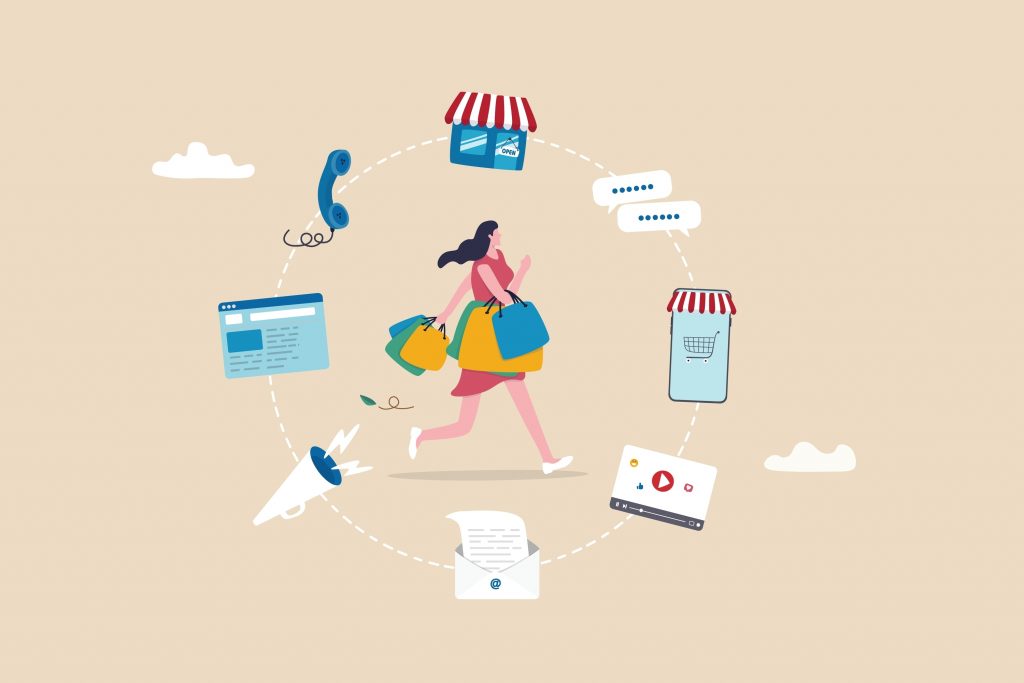
Importance of Multi-Channel Consistency
- Brand Recognition: A consistent brand presence across multiple platforms reinforces brand identity, making it easier for customers to recognize and remember the brand.
- Trust Building: Consistent messaging across different channels builds credibility and trust in the brand.
- Enhanced Customer Experience: A seamless experience across channels creates a more satisfying journey for customers, increasing engagement and loyalty.
- Improved Conversion Rates: Presenting a unified message across multiple touchpoints creates more opportunities for conversion.
Strategies for Multi-Channel Consistency
To effectively leverage multi-channel consistency while maintaining personalization, consider the following strategies:
- Develop a Core Brand Message: Create a central brand message that can be adapted across various channels while retaining its essence.
- Coordinate Visual Elements: Ensure that logos, color schemes, and design elements remain consistent across all platforms to reinforce brand recognition.
- Tailor Content to Channel Strengths: Adapt your message to suit the unique characteristics of each channel, such as using concise messaging on Twitter and more detailed content on your website.
- Implement Cross-Channel Data Integration: Use customer data platforms to collect and analyze information from various channels, enabling a holistic view of customer interactions and preferences.
- Personalize Within the Framework of Consistency: While maintaining a consistent brand voice, use data insights to personalize content, offers, and experiences for different customer segments across channels.
- Monitor and Adjust: Regularly analyze the performance of your multi-channel efforts and make data-driven adjustments to optimize consistency and effectiveness.
The Role of Sociobo in Enhancing Campaigns
As businesses strive to scale their campaigns while avoiding generic messaging, leveraging Sociobo’s services can be a game-changer. Sociobo specializes in social proof aggregation, a technique that enhances brand visibility and authority on social media platforms. By employing aggregated followers, businesses can boost engagement rates, improve profile discovery, and positively impact their social media trust scores.

How Sociobo Can Help
- Boosting Engagement: Sociobo’s aggregated followers are high-quality bot accounts that actively engage with your content, helping to create a more vibrant social media presence.
- Improving Credibility: By inflating social media metrics, brands can promote their content more effectively in social media algorithms, attracting genuine followers and creating a strong brand presence.
- Customized Experience Packages: Sociobo offers tailored services across multiple platforms, including Instagram, TikTok, YouTube, Facebook, and Spotify, allowing businesses to choose the right package for their needs.
By integrating Sociobo’s services into your marketing strategy, you can enhance your social media profiles and improve overall campaign performance, ensuring that your messaging remains relevant and engaging.
In an era where consumers are inundated with information, avoiding generic messaging while scaling campaigns is essential for building trust and driving engagement. By embracing data-driven personalization, dynamic audience segmentation, and multi-channel consistency, businesses can create tailored experiences that resonate with their audience.
As you consider how to enhance your marketing efforts, remember that leveraging Sociobo’s social proof aggregation can significantly boost your brand’s visibility and authority in the crowded digital landscape. With the right strategies and tools at your disposal, you can create impactful campaigns that not only reach your audience but also foster meaningful connections.
If you’re ready to take your social media presence to the next level and avoid generic messaging in your campaigns, explore the services offered by Sociobo. Visit Sociobo.com today to learn more about how we can help you build your brand identity and engage your audience effectively. By leveraging the power of social proof, you can ensure that your marketing efforts stand out and drive real results.



No comment yet, add your voice below!